What is Algora Project?
We deploy AI-powered robots to harvest invasive algae for pharmaceuticals while building seaweed farms that capture CO₂ and reduce ocean eutrophication.
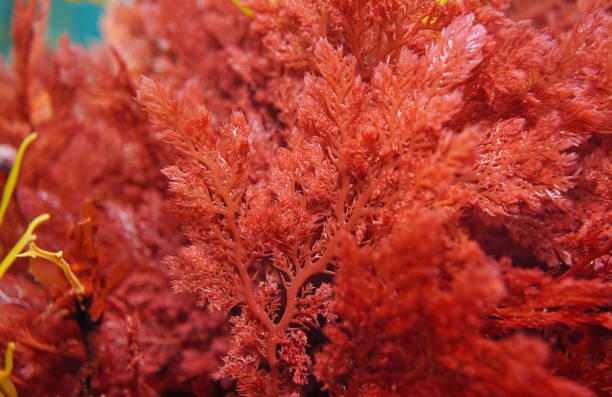
Harvesting invasive algae species (Ulvophyceae), which reduce biodiversity, can poison the ecosystem and cause economic damage.
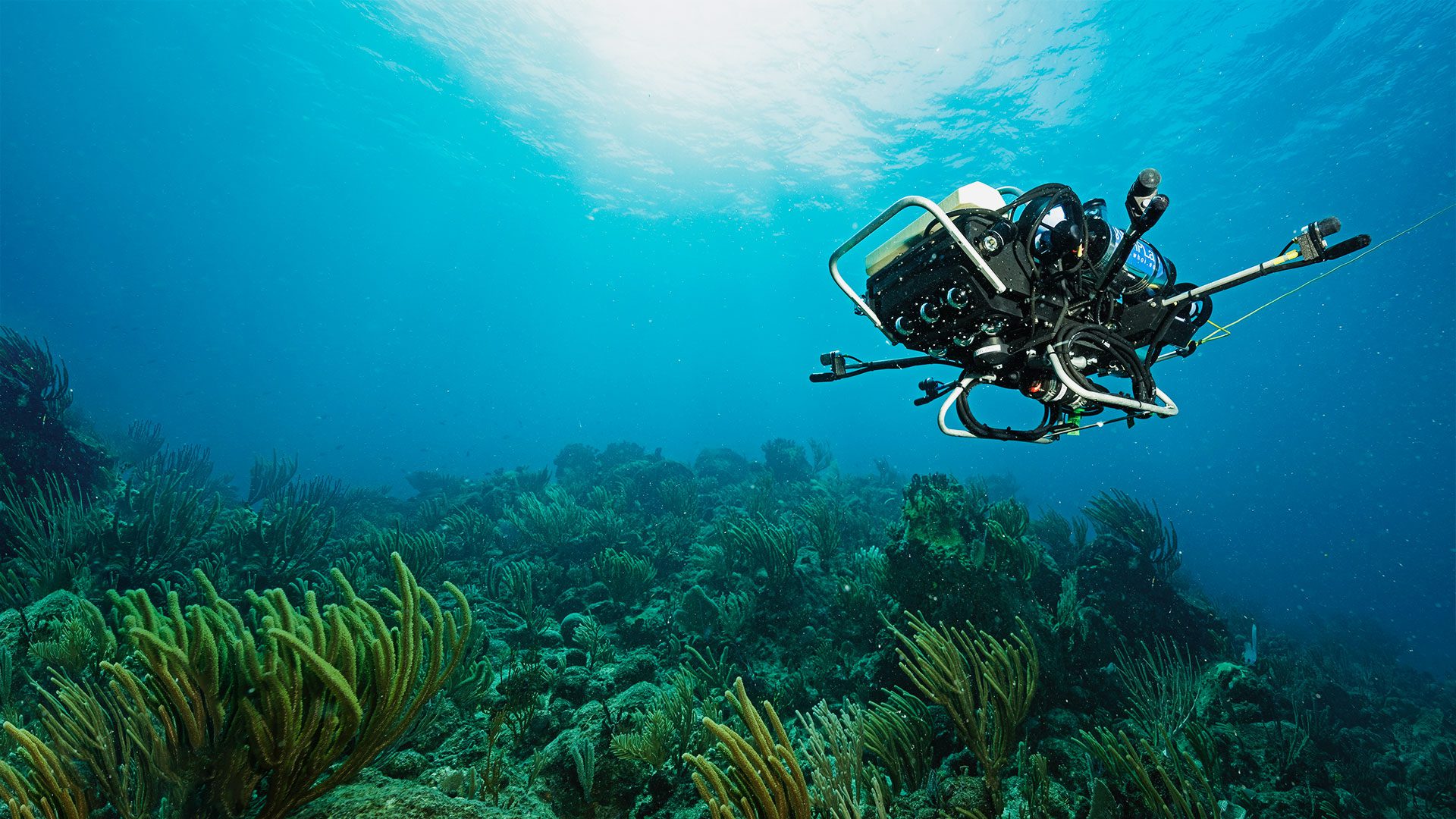
Automated, sensor-capable submersible robots that use artificial intelligence to identify and collect invasive algae types.
Pharmaceutical use of collected algae types (Chlorophyta). The secondary metabolites they contain have useful anticancer properties.
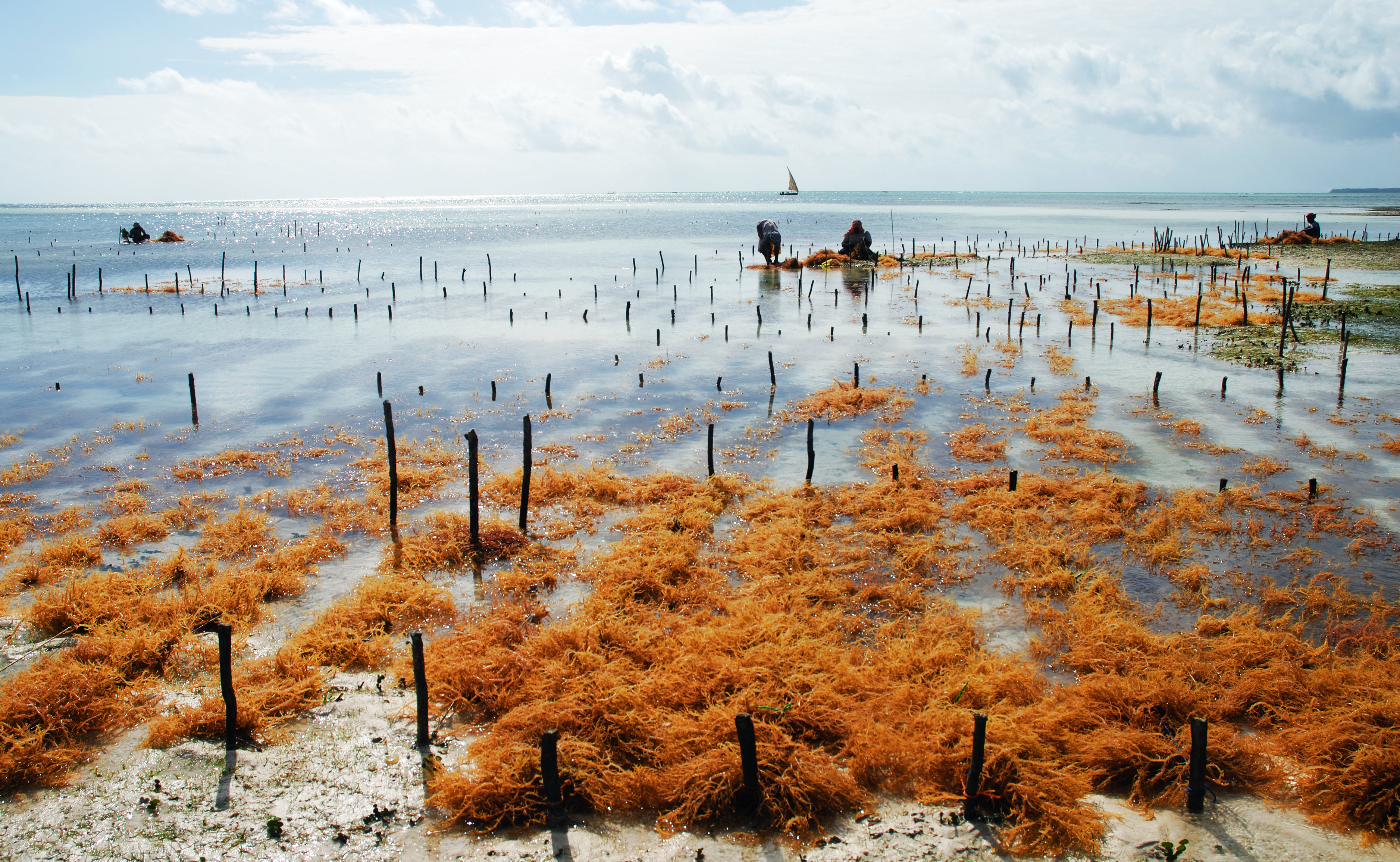
Planting new beneficial algae cultures (Rhodophyta; Chondrus crispus) to reduce eutrophication. These types provide habitat, oxygen and food.

The creation of underwater algae colonies is carried out by our volunteer diving team. If you are interested in the opportunity - join us!
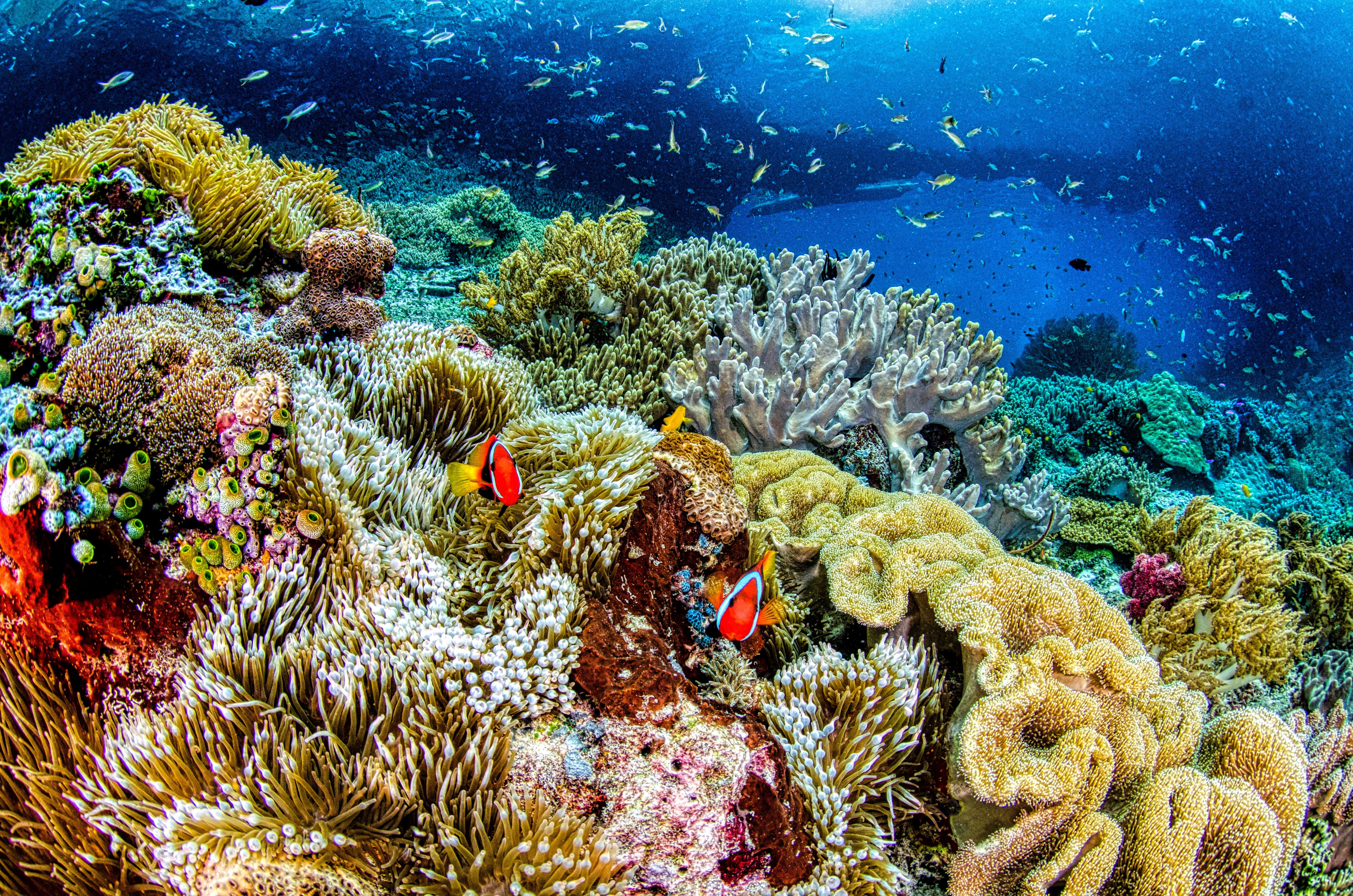
Algae not only improve water quality, but also remove carbon dioxide from the atmosphere. Thus, they are essential for the preservation of the ocean ecosystem.
Blue economy 2026

Algae take up nutrients dissolved in water during their rapid growth: nitrate (NO₃⁻), ammonium (NH₄⁺), phosphate (PO₄³⁻).These compounds are responsible for eutrophication. Seaweeds act as biological filters because they incorporate nutrients into their own biomass. According to research, seaweed farms: 1000–3000 kg nitrogen/km²/year and 100–300 kg phosphorus/km²/year are able to extract from the water. […]
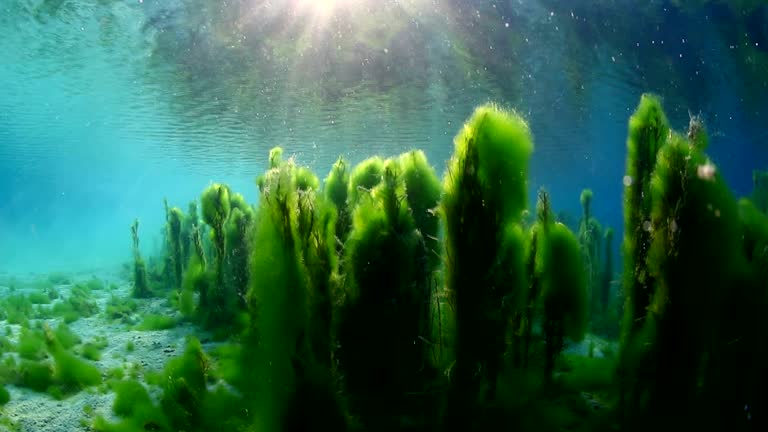
Algae convert CO₂ into organic carbon during photosynthesis. That is: carbon dioxide → biomass + oxygen. Marine algae and phytoplankton account for a huge part of global photosynthesis. They sequester 30–50 billion tons of CO₂ per year. This represents about 50% of global photosynthesis. Seaweeds can contribute to sequestering about 0.64 gigatonnes of CO₂ per year globally.[…]

Algae release oxygen during photosynthesis, which is dissolved in the water or released into the atmosphere. Seaweeds provide about 50% of the world's oxygen production. This is mainly due to microscopic phytoplankton. Daily oxygen production of some marine plants: Organization Oxygen production: phytoplankton: 10,000–15,000 kg O₂/km²/day; seaweed: 3,000–10,000 kg O₂/km²/day; kelp: 4,000–9,000 kg O₂/km²/day. […]
Major changes in the oceans
The best team

Uploading........................................................................................................

Uploading........................................................................................................

Uploading........................................................................................................

Uploading........................................................................................................

Uploading........................................................................................................

Uploading........................................................................................................
Uploading........................................................................................................
Please share your thoughts
I have always wanted to grow algae because I believe these organisms are essential in mitigating climate change! […]
My father is an Irish fisherman and every year he feels more and more that the fish stocks are decreasing because the food chain has been disrupted. […]
Copyright © 2026 - All Rights Reserved - Algora Project
Offical site by Algora Project